New study reveals youth mental health benefits of equine-assisted interventions during the Covid-19 pandemic.
During the Covid-19 pandemic, people around the globe experienced anxiety, stress and isolation, with inevitable knock-on consequences for their mental health. Children and adolescents were hit particularly hard. Cut off from their school and friends, their social activities were dramatically reduced with the transition to remote learning. In an effort to support young people during this time, researchers from St Mary’s University in Canada investigated the impact of an equine-assisted intervention on youth’s emotional wellbeing.
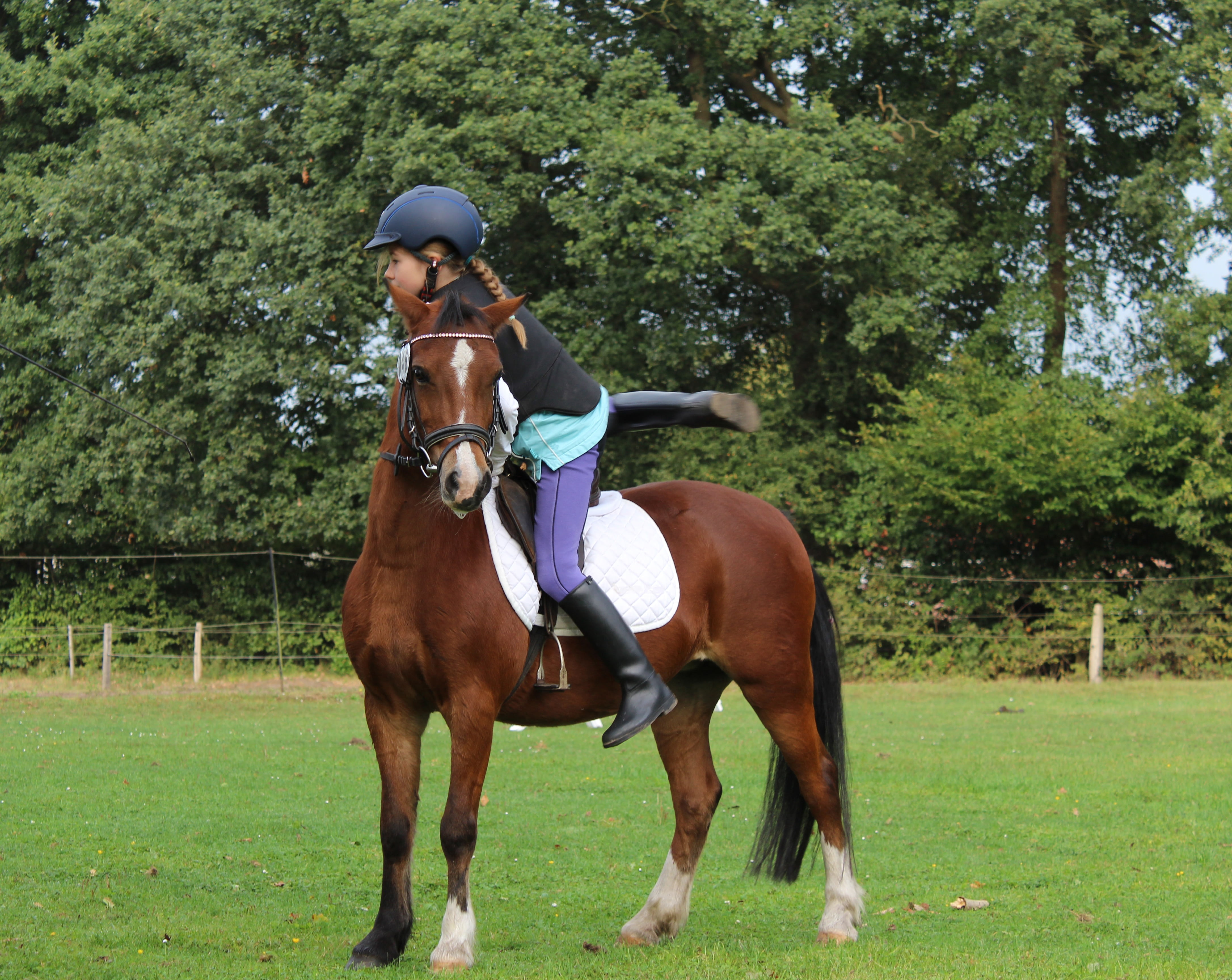
Equine-assisted interventions is an umbrella term that includes activities such as grooming, walking and riding a horse, with the aim of improving a person’s physical and mental health. In recent years, equine-assisted activities have become increasingly popular, supported by a growing body of scientific research championing their positive effects in a range of vulnerable youth populations. However, far less research has investigated the impact of equine-assisted interventions on the wellbeing of neurotypical youths.
New equine-assisted intervention study
The pilot study recruited 16 beginner/novice riders (primarily females), between the ages of 6 and 15, to take part in a one-hour horse riding lesson. Before the lesson started, participants’ mood was measured via the Positive and Negative Affect Schedule for Children. This same questionnaire was then completed again after the lesson had finished, along with the Human-Animal Interaction Scale to assess the quality and nature of the interaction between rider and horse.
The results revealed an increase in positive emotions after the riding lesson for participants who experienced high-quality interactions with the horse, as well as a reduction in negative emotions. These results complement previous research findings showing health and wellbeing benefits of equine-assisted interventions in a range of at-risk populations, including children with autism spectrum disorder and attention deficit hyperactivity disorder.
Research implications and limitations
The findings of this study suggest that equine-assisted interventions can improve the wellbeing of neurotypical youths during stressful times. This finding opens up a wide array of other challenging situations in which neurotypical youths may benefit from equine-assisted activities, such as parental divorce, which could be assessed in future research.
Previous research has focused almost exclusively on therapeutic or performance-related equine activities, but the results of this study show that unstructured interactions can have a meaningful impact on riders too. It also highlights the importance of the human-animal bond in enhancing the wellbeing outcomes obtained from equine-assisted interventions.
However, there are a number of study limitations that should be taken into consideration when weighing up the impact of these findings. These include the small sample size which reduces the findings’ generalisability, especially since the participants’ demographics lacked diversity.
The intervention also included only one riding lesson per participant, so it is unknown whether the effects would have been cumulative over time. Moreover, participants were not randomised into a control group, therefore it is unknown whether the changes in mood observed would have happened regardless, as youths adapted to the situation produced by the pandemic.
The future of equine-assisted interventions
Equine-assisted interventions are gaining in popularity and acceptance not only amongst the public, but also in the medical field as a complimentary approach to promoting health and wellbeing. However, there is still a need for more high-quality randomised controlled trials and longitudinal research before its effectiveness can be accurately evaluated. Future research should also seek to better understand the influence of the human-animal bond in order to maximise the wellbeing benefits obtained.
Key study findings:
- The equine-assisted intervention reduced youth’s stress
- The horseback riding lesson improved youth’s mood
- The benefits obtained were linked to the quality of horse-rider interaction

 The Power of Pets
Leave a comment