New research investigates the health impact of human-animal interactions on employee’s during the pandemic.
The Covid-19 pandemic changed many things, but arguably nothing more so than the way we work. Around the globe, workers ditched the morning commute and set up office in their home. Whilst necessary to halt the spread of the virus, it also brought its own health challenges, including increased stress and anxiety.
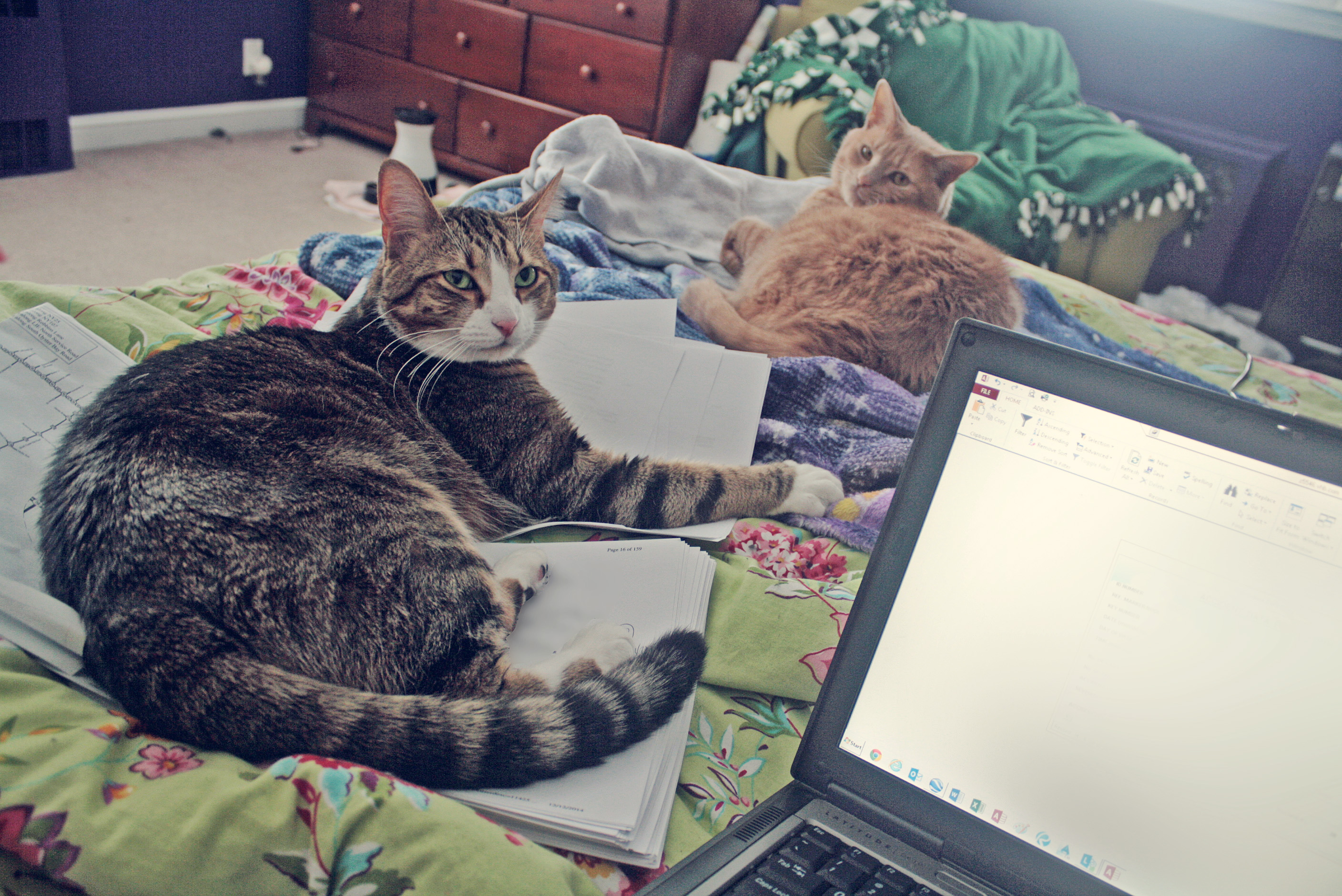
Social interactions are an important part of our lives and is likely no coincidence that during a time of extreme social isolation, that people turned to their pets. Previous research has shown that pets can provide strong social and emotional support to their owners. For this reason, a recent study explored the impact of human-animal interactions on the stress and quality of life of people working from home during the pandemic.
New research into pet ownership
The study included 770 participants, 385 pet owners and 385 non-pet owners. All participants completed three standardised scales to capture the quality of their interactions with pets, stress related to their work environment and their quality of life.
The results revealed a significant difference in stress levels between pet owners and non-pet owners, with pet owners reporting significantly lower stress than their non-pet owning counterparts. No differences in quality of life were observed between the two groups, however, pet owners experienced a higher quality of life in the social aspects, suggesting that pets may enhance social interactions.
A deeper understanding
After this, ten participants were randomly selected to take part in an in-depth interview to understand their experience. These interviews were transcribed, and their content analysed thematically.
The results revealed that the majority of participants thought that their pets had protected them against stress during the height of the pandemic. The presence of a pet was viewed as comforting, which helped their owner’s relax. Playing with their pet was also thought to be stress reducing.
“My pets’ presence helped me feel relaxed. Whenever I was stressed at work or even because of doing household chores, I felt relaxed just by seeing them or playing with them. My pets relieved my stress”.
Overall, most participants believed that their pet offered them emotional support which was essential for their mental health during the pandemic. However, pet ownership could also increase stress levels, such as if the pet became ill or died.
“To be honest, all I recall about the pandemic is the cat I lost. It was quite difficult for me because I couldn’t do anything to treat her (the cat) for the feline virus. So I was quite depressed when I lost her. I understand that pet death is a part of being a pet owner, and their loss is extremely difficult. But the pain will never be greater than the happiness that she brought into my life”.
Study implications
The findings of this study highlight the important role of pets for reducing stress and enhancing quality of life for people working from home during the pandemic. By using a mixed methods design, the results provide a comprehensive understanding of the emotional support pets provided to their owners during this challenging time.
The results are inline with previous research which has revealed that pet ownership, particularly dogs, is associated with socioemotional benefits. Future research could investigate how different types of pets impact the mental health challenges associated with remote working and isolation which is likely to continue for the foreseeable future.
Key study findings:
- Pet owners had significantly lower stress levels than non-pet owners
- No significant quantitative differences were observed for quality of life
- Qualitative insights revealed that pets offered emotional support and protected them from stress
- Pets could also cause stress if they became ill or died

 The Power of Pets
Leave a comment