Research investigates how pet dogs can be integrated into a physical activity program for disabled children.
In the modern world, physical inactivity poses a significant public health challenge worldwide. In 2023, a survey by Sports England found that less than half of children met the recommended physical activity guidelines of 60 mins per day. Moreover, international research has revealed that children and adolescents with disabilities spend even less time being physically active, putting them at increased risk of a range of health conditions.
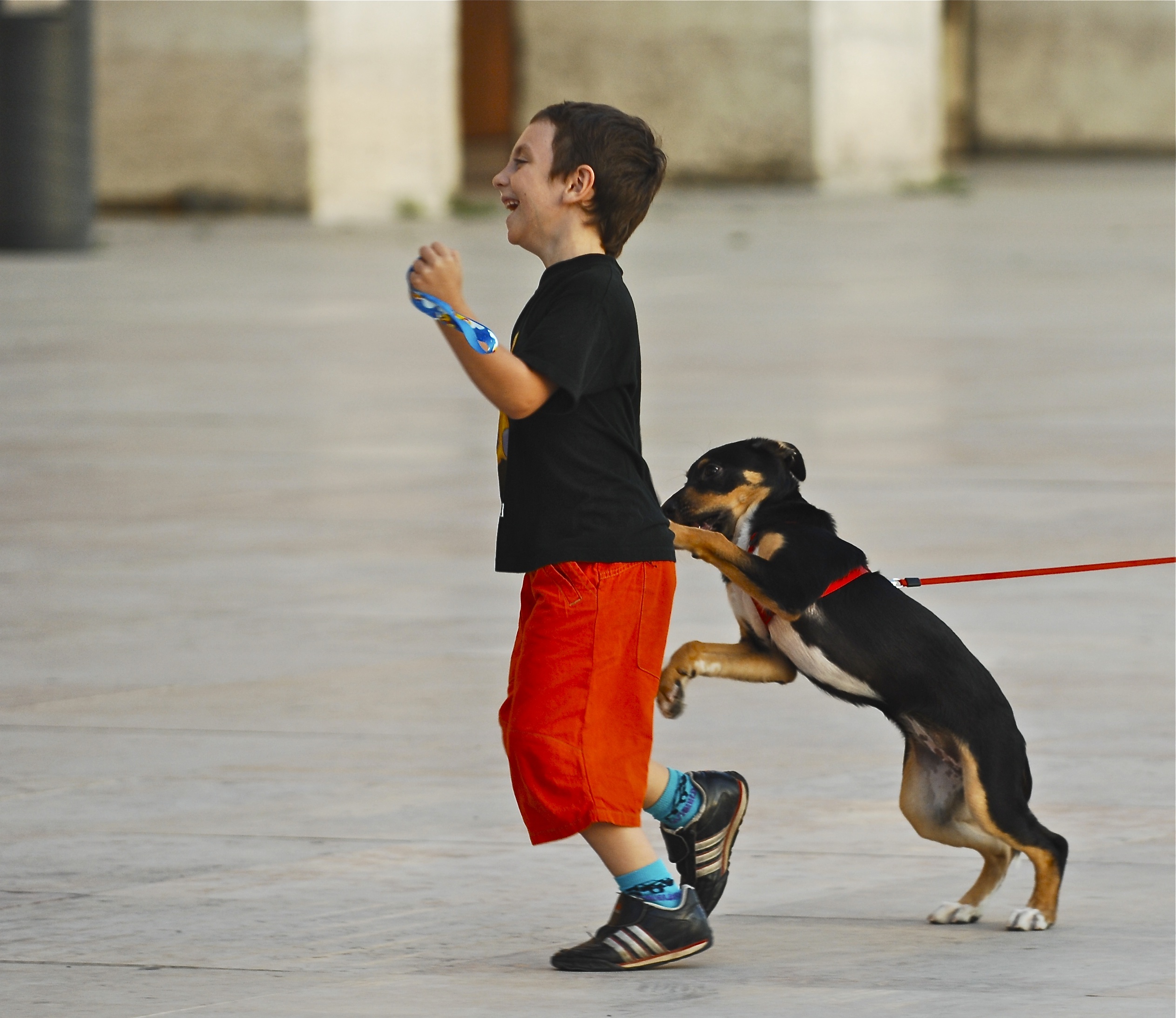
This inequality in physical activity inspired researchers at Oregon State University to create a physical fitness program targeting children with developmental disabilities who are marginalised in traditional initiatives. The program, called ‘Do as I Do’ (DAID), leverages the bond between children and their family dog to boost their physical activity, offering a new and inclusive perspective.
New physical activity program
Dog ownership has been shown to be linked to a number of health benefits, including fewer illnesses and visiting the doctors less frequently. Many of these benefits are thought to be related to dog walking, which increases the likelihood that owners will achieve daily physical activity recommendations. The DAID program takes this idea even further, requiring children to imitate the trained actions of their dogs, to make exercising more enjoyable.
The study included 45 child-dog dyads, who were randomly assigned to either the DAID program, a dog walking control, or a waitlist control group. Children in the DAID group participated in ten sessions lasting 60 minutes each and included reciprocal-imitation training in which children led the physical activities with their dog. In the dog walking control group, children engaged in ten 60-minute dog walking sessions. Whilst children in the waitlist control did not participate in any extra activities.
Impact of physical activity levels
The impact of the interventions was measured using a 7-day ActiGraph accelerometer monitoring process to capture children’s physical activity and movement patterns. The results revealed that children in the DAID group engaged in significantly more moderate-to-vigorous physical activity than children in the waitlist control group.
Specifically, children in the DAID group increased their moderate-to-vigorous physical activity by 1.2 minutes per hour, equating to an average of 17.3 additional minutes per day. They also reduced their sedentary behaviour by 4.03 minutes per hour, which translates into a reduction of 58 minutes of sitting or inactive time each day. These findings suggest that the DAID program had a substantial impact on improving physical activity levels in children with developmental disabilities.
Implications for disabled children
The study’s findings suggest that DAID with family dogs is an effective intervention to boost the physical activity of children with developmental disabilities. Whilst children in the dog walking control group did also experience benefits, the changes to their physical activity were not as large as in the DAID group.
These results emphasise the importance of inclusivity and accessible interventions to better support the health needs of children with disabilities. They also lend support to the growing body of scientific evidence showing that dog-assisted interventions can have health benefits for children with disabilities. By making exercise fun and leveraging the bond between children and pets, the DAID program offers a promising approach to reducing health disparities for children with developmental disabilities.
Key study findings:
- Children in the DAID group engaged in more moderate-to-vigorous physical activity
- They also reduced their sedentary behaviour
- The changes in physical activity were more substantial in the DAID group compared to the dog walking group

 The Power of Pets
Leave a comment