New research investigates how interacting with pets supports the link between cognitive reserve and depression.
Depression in older adults is underdiagnosed. Often mistaken for other age-related changes or health conditions, it can have a negative impact on a person’s quality of life in their twilight years. The ability of pets to reduce depression in older adults has been demonstrated in previous scientific research; however, the mechanism through which it works has been less well studied.
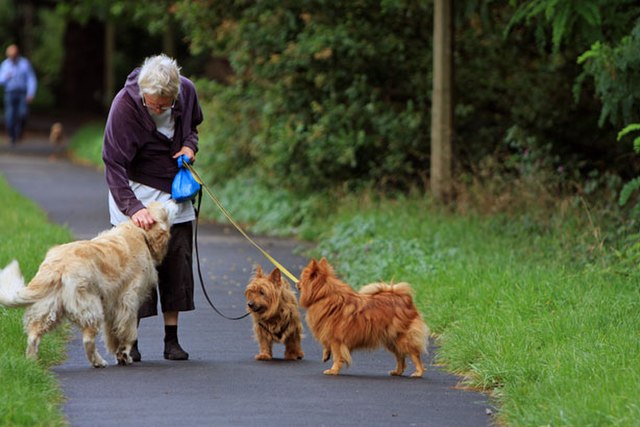
Suggestions for the ways that pets can reduce depressive symptoms in older adults have included the companionship they provide, as well as a sense of purpose. Pets also encourage people to be more physically active, and maintain their routines, which is vital in challenging times. Furthermore, a recent study investigated the ability of pets to strengthen the protective effect of cognitive reserve, which is the ability to adapt, against depression in older adults.
New study on cognitive reserve
The study included 215 older adults, aged between 59-93 years of age. Participants were divided into two groups: those who had pets (53%) and those who did not have pets (47%). All participants completed questionnaires on cognitive reserve (including education, work history & leisure activities) lifelong cognitive function, and symptoms of depression.
What researchers observed was that higher cognitive reserve was related to lower depressive symptoms for participants who owned pets. It was particularly strong for leisure-related cognitive reserve, suggesting that the engaging leisure activities which pets provide helped protect against depression. No relationship was observed for participants without pets.
Pet ownership as a moderator
These findings highlight the importance of pet ownership for protecting against depression in older adults, adding to the growing evidence into the ways that pets can support healthy aging. Rather than protecting against depression directly, pets increased the effects of cognitive reserve, through living an active and engaging lifestyle.
These effects could be harnessed in interventions aimed at supporting mental health in older adults, by promoting cognitively stimulating activities with companion animals. It is important that future models of healthy aging include pet ownership, recognising companion animals as meaningful contributors to their owners’ lives, and in turn their cognitive function and psychological health.
Key study findings:
- Higher cognitive reserve was linked to less depression in pet owners
- Pet ownership strengthened the protective effect of cognitive reserve
- Leisure activities were the best form of cognitive reserve

 The Power of Pets
Leave a comment