Recent research investigates the perception of pet wellbeing in older adults.
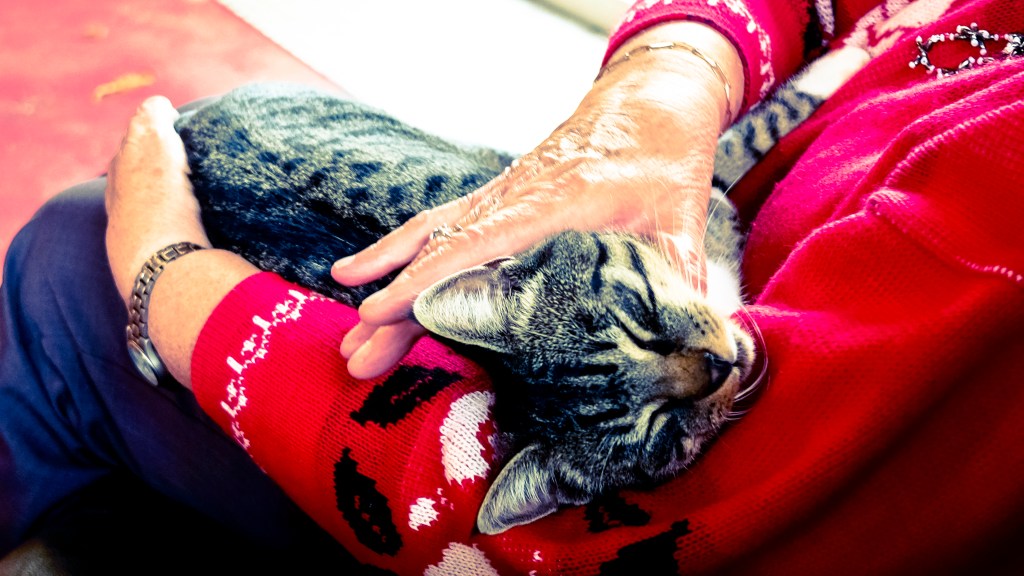
In every memory that I have of my grandma there is a pet. Whether it’s a stray cat sitting on her lap or walking one of her many terriers, they are entwined with her life, and she isn’t alone. Around one in two older adults have a pet, most commonly cats and dogs. Some of the top reasons for having a pet later in life include the companionship they can provide, as well as the routine and purpose they bring with them.
The benefits of pet ownership for older adults are well-known, with prior research demonstrating the ways that they can reduce loneliness, improve cardiovascular health and encourage physical activity. However, so far, research has failed to address the flipside of this relationship. For this reason, a recent study investigated how living with elderly pet owners impacts their pets’ health and wellbeing.
New study into elderly pet ownership
Sixty older adult (60-80 years) pet owners from Alexandria, Egypt, were included in the study. All participants completed a 15-item survey which captured their pets’ health-related quality of life. It was taken from the World Health Organisation’s quality of life framework, which was adapted for companion animals, and Lavan’s pet health-related quality of life. The questionnaire probed four domains: happiness, hygiene, physical health and mental health. Sociodemographic information, including age, gender, health status, education, income and duration of pet ownership, was also collected.
The other side of the story
The results of the study revealed that older adult pet owners believed their pets experienced good wellbeing. This was indicated by high agreement of statements such as “My pet wants to play” and “My pet responds to my presence” in the happiness domain. Statements like “My pet has more good days than bad days” in the mental health domain, “My pet moves normally” in the physical health domain, and “My pet keeps him/herself clean” in the hygiene domain.
Some sociodemographic factors were found to influence participants’ perceptions, with younger older adults, owners who were married, and those living with others reporting better pet wellbeing. Owners with health conditions and longer pet ownership duration were sometimes associated with lower pet wellbeing.
A powerful team
Overall, the findings suggest that older adult pet ownership positively affects the lives of their pets. This aligns with the One Welfare framework, which takes a holistic view of welfare, emphasising the interconnectivity of humans and animals. When looking at pet ownership, it is important to consider the positive health benefits for both companion animals, as well as their owners, suggesting the presence of a feedback loop which allows both species to thrive.
Key study findings:
- Older pet owners reported high levels of pet wellbeing
- Younger older adults reported more positive pet behaviours
- Being married, or living with others, was linked to higher pet wellbeing
- The findings support a One Welfare approach to viewing pet ownership

 The Power of Pets
Leave a comment