New research investigates the benefits and barriers to pet ownership in youths experiencing homelessness.
“She’s only got it to get more money,” my friend confidently declared as we passed a homeless woman playing with a puppy in a nest of blankets on the street corner. I watched as the small dog pounced on her hand, rustling around under one of the blankets, and she let out a laugh before scooping it up and tucking the furry bundle inside her coat—it was a cold night.
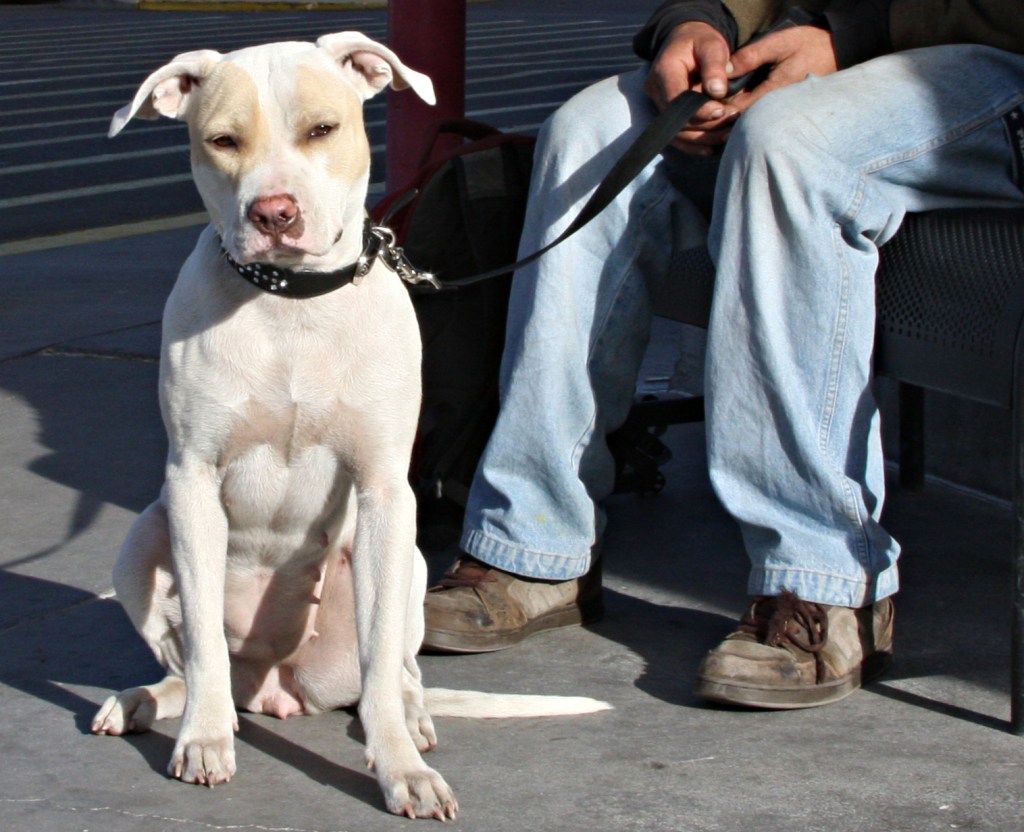
Pet ownership amongst individuals experiencing homelessness is common, and associated with all the same health and wellbeing benefits that housed people experience, including reduced loneliness/social isolation and improved mood. However, despite this, the public is often critical of homeless people owning pets, questioning their motives and ability to provide the level of care needed.
New research into homeless pet ownership
To better understand the relationship between homeless people and their pets, a recent photovoice project investigated the benefits and barriers to pet ownership in 19 adolescents experiencing homelessness. The findings revealed deep connections between the youths and their pets, showcasing the benefits and challenges faced by this vulnerable demographic.
Photovoice is a qualitative action research method developed by health promotion researchers. It uses photographs taken by the participants, which are then reflected upon during an interview and used to promote dialogue about the community issue. In the current project, over 900 images were created, offering unique insights into the lives of homeless people and their animal companions.
Qualitative research findings
Strength of the human-animal bond
A key theme which emerged from the photos and interviews was the value and strength of the bond homeless people had with their pets which provided strong physical and emotional support, as well as a sense of purpose and motivation for daily activities.
“My depression kicked in real bad when I was living in that tent. I didn’t come out very much. But I knew that because I had him and, you know, he’d always wake me up in the mornings with a slobbering face. I knew I had to go take him out potty and stuff like that. I knew when we came back in he’d be right there by my side. Lettin’ me know that he was there.”
Challenges related to pet ownership
Challenges associated with homeless pet ownership include barriers to accessing medical care, housing and employment, with many participants mentioned prioritising their pets’ wellbeing above their own. The lived experiences and photographs of participants underscored the need for systemic changes to provide more support for homeless pet owners, including pet-friendly shelters and affordable pet care services.
“I knew I was taking on a bigger obstacle in getting [my dog] but I gained so much more than just another obstacle. I gained a best friend and he’s also taught me a whole lot. And been something stable in my life. Been something that I have to make it so I have to remain stable. You know I can’t just fuck off and pass out until three in the afternoon and expect [him] to sit there and not go potty. You know and not have food. So it’s made me stay on my toes. I think it’s important to remember to look at what you gained not just what obstacles are going to be in your way when you’re thinking about animals.”
Research impact
The images and stories, displayed in public exhibitions, deepened the public’s understanding of homelessness and sparked conversations amongst service providers, policymakers, and the general public. This enhanced understanding led to an increase in empathy and positive attitude towards people experiencing homelessness who have pets, as shown in the visitor feedback.
“I never understood how/why people who are experiencing homelessness could have pets when they can barely support themselves. Turns out that maybe if more emotional support animals exist, unstably housed people could better their mental health.”
Study implications
The study underscores the significant emotional assistance that pets can offer their homeless owners. By providing a sense of purpose and routine, as well as company and companionship, pets are instrumental in supporting their owner’s mental health and wellbeing during challenging times.
However, the study also revealed that pet ownership creates difficulties around accessing medical care, housing, and employment for these individuals. These findings highlight the need for systemic changes, which could be initiated through discussions at the public exhibitions. To bolster these efforts, future quantitative research with a larger sample size is recommended.
Key study findings:
- Homeless youths valued the bond they had with their dog
- Dogs provided physical and emotional support
- Challenges related to pet ownership were reported, highlighting the need for systemic change
- Public exhibitions improved the public’s empathy towards homeless pet owners

 The Power of Pets
Leave a comment